




Warehouses are the heart of logistics and storage operations, but many businesses underestimate the importance of durable and efficient flooring. The right flooring not only supports heavy machinery but also ensures safety, reduces maintenance costs, and enhances overall productivity. Hiring a warehouse flooring installer can be the gamechanger your facility needs. In this article, we’ll explore why professional installation matters, the types of flooring available, and how to choose the right solution for your space.
Understanding the Role of a Warehouse Flooring Installer
A warehouse flooring installer is more than just someone who lays concrete or epoxy. Their expertise ensures your warehouse floor withstands heavy traffic, resists wear and tear, and meets safety standards. From inspecting the subfloor to selecting the proper materials, their work sets the foundation for a long-lasting, functional warehouse.
Key responsibilities include:
- Assessing the warehouse layout and expected foot and vehicle traffic.
- Recommending the best flooring materials based on durability and cost-effectiveness.
- Ensuring proper installation to prevent cracks, uneven surfaces, and safety hazards.
A professional installer guarantees that your floor isn’t just functional but optimized for efficiency. This may sound simple, but a poorly installed warehouse floor can lead to costly downtime, accidents, and frequent repairs.
Types of Flooring a Warehouse Flooring Installer Can Recommend
Choosing the right flooring material is essential for longevity and performance. An warehouse flooring installer often recommends several types of flooring depending on the warehouse’s needs:
- Epoxy Coatings: Ideal for high-traffic areas; epoxy is durable, resistant to chemicals, and easy to clean.
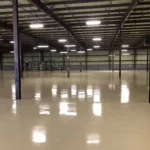
- Polished Concrete: Provides a sleek, professional look and can withstand heavy machinery without damage.
- Vinyl or Rubber Tiles: Perfect for areas requiring slip resistance or cushioning for workers who stand for long hours.
- Sealed Concrete: A cost-effective solution that protects the surface from dust, stains, and minor wear.
Tip: When selecting flooring, consider both current operational needs and future expansion. A skilled installer can forecast how different materials will perform under the weight and frequency of your warehouse activities.
Benefits of Hiring a Professional Warehouse Flooring Installer
Investing in a professional installer offers numerous advantages:
- Safety First: Properly installed floors reduce slips, trips, and machinery accidents.
- Cost Efficiency: Avoid frequent repairs and replacements that result from poor installation.
- Longevity: Professionally installed floors last longer, saving money over time.
- Aesthetic Appeal: A smooth, polished floor improves the overall look of your warehouse.
Even one small misalignment or substandard finish can create significant problems in the long term. A professional installer ensures precision, durability, and compliance with industry standards.
Tips for Choosing the Right Installer
Finding the right professional is crucial. Here are a few pointers:
- Verify experience specifically with warehouse flooring, not just general flooring.
- Ask for references or case studies to ensure quality and reliability.
- Confirm that they use high-quality materials suited to your warehouse environment.
Remember, your warehouse floor is an investment. A skilled warehouse flooring installer will help maximize that investment by delivering a solution that lasts.
Conclusion
A strong, well-installed warehouse floor is critical for safety, efficiency, and long-term cost savings. By hiring a professional warehouse flooring installer, you ensure that your facility operates smoothly while maintaining a professional appearance. Whether you choose epoxy, polished concrete, or rubber tiles, expert installation makes all the difference. Prioritizing quality now saves headaches and expenses down the road, giving your warehouse the solid foundation it deserves.