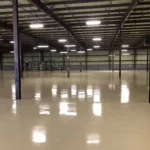




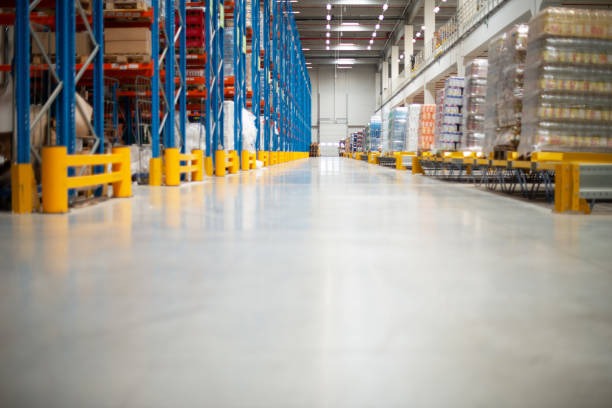
Industrial spaces experience constant movement from machinery, forklifts, pallet jacks, and heavy inventory loads. Because of this, businesses require flooring that can tolerate pressure, abrasion, and continuous use without losing durability. A properly designed high traffic flooring industrial setup improves operational efficiency while reducing maintenance costs over time.
Warehouse managers and facility owners often struggle with cracked concrete, dust accumulation, and slippery surfaces. These problems can disrupt workflow and create safety concerns. Investing in advanced flooring materials helps maintain productivity and ensures smoother daily operations in demanding environments.
Importance of Durable Flooring in Industrial Areas
Warehouses and manufacturing facilities operate under harsh conditions every day. Floors must resist chemical spills, impacts, moisture, and thermal changes. Traditional flooring materials may deteriorate quickly under these conditions, causing unnecessary repairs and downtime.
A professionally installed high traffic flooring industrial system provides excellent resistance against wear while maintaining a clean and organized appearance. Businesses that prioritize durable flooring solutions often experience fewer interruptions and lower long-term operational expenses.
In large logistics centers, flooring quality directly influences equipment performance. Forklifts and automated vehicles move more efficiently on stable and smooth surfaces. This contributes to better inventory handling and safer transportation within the facility.
Features That Improve Industrial Flooring Performance
Modern industrial flooring solutions are designed with advanced technologies that support heavy-duty applications. Epoxy coatings, polyurethane finishes, and polished concrete systems are among the most popular options used today.
One major advantage of high traffic warehouse floor systems is their ability to withstand continuous movement without surface degradation. These systems also help reduce dust formation, making facilities cleaner and easier to maintain.
Another important feature is slip resistance. Industrial environments often encounter water, oils, or chemical spills that create hazardous conditions. Flooring systems with textured finishes improve traction and reduce workplace accidents.
Temperature resistance also matters in industries where heat or cold exposure is common. Quality flooring materials maintain structural integrity even under extreme environmental conditions.
Flooring Materials Commonly Used in Warehouses
Different industries require different flooring solutions depending on operational demands. Epoxy flooring remains a preferred choice because of its durability and chemical resistance. It creates a seamless surface that is easy to clean and maintain.
Polished concrete is another popular option for facilities seeking a cost-effective yet strong flooring solution. It enhances brightness within the warehouse while minimizing dust production.
In highly demanding environments, high traffic warehouse floor systems made with polyurethane coatings offer superior flexibility and thermal shock resistance. These systems are especially useful in food processing and manufacturing plants where hygiene and durability are equally important.
Rubber flooring may also be installed in selected industrial areas to absorb vibrations and reduce worker fatigue during long operational hours.

Maintenance Practices for Long-Term Results
Even the most durable flooring systems require proper maintenance to maximize lifespan. Routine cleaning removes abrasive debris that may gradually damage the surface. Scheduled inspections also help identify minor cracks or wear before they become serious problems.
Businesses using high traffic flooring industrial solutions should follow manufacturer recommendations for cleaning products and maintenance schedules. Harsh chemicals or improper cleaning methods can affect surface performance over time.
Protective coatings may need occasional reapplication in areas exposed to heavy mechanical activity. This process helps preserve surface integrity and maintains the floor’s professional appearance.
Industrial facilities that implement preventive maintenance programs often reduce repair costs significantly while extending flooring durability.
Choosing the Right Flooring System
Selecting the ideal flooring depends on operational requirements, load capacity, environmental exposure, and maintenance expectations. Facilities with heavy machinery need highly impact-resistant surfaces, while food production units require hygienic and chemical-resistant materials.
Professional contractors evaluate traffic levels, moisture conditions, and industry-specific needs before recommending a suitable flooring solution. This ensures the selected material performs efficiently under actual workplace conditions.
Advanced high traffic warehouse floor systems also support sustainability goals by improving energy efficiency and reducing material replacement frequency. Many modern flooring products are designed to minimize environmental impact while maintaining exceptional durability.
The right flooring investment contributes to better workplace safety, improved aesthetics, and stronger operational performance across industrial environments.
Conclusion
Industrial environments demand flooring systems capable of handling constant pressure, equipment movement, and challenging conditions. A reliable high traffic flooring industrial solution improves durability, safety, and productivity while lowering maintenance concerns. Businesses that invest in strong and professionally installed high traffic warehouse floor systems benefit from long-lasting performance and smoother daily operations in demanding facilities.